Minimalism in the Mediterranean
How contemporary architects are reinventing traditional coastal design through restraint and material honesty.
By Elena MartinezMay 28, 20248 min read

How contemporary architects are reinventing traditional coastal design through restraint and material honesty.
The Mediterranean coastline has long been defined by its white-washed clusters and terracotta roofs, a vernacular born of climate and necessity. Yet, a new wave of architectural thought is stripping these traditions to their essence. This shift isn't about removing culture, but about uncovering the soul of the land through a lens of absolute clarity.
In the rugged cliffs of Mallorca and the scorched hills of Puglia, architects like Claudio Silvestrin and Fran Silvestre are proving that luxury is no longer defined by the quantity of ornament, but by the quality of light and the resonance of local materials.
"True luxury today is not ornament — it is the quiet conviction of a space that knows exactly what it is."
The use of local Mares stone or calcified lime plaster isn't just an aesthetic choice; it's a dialogue with history. When a wall shares the same chemical makeup as the earth it stands upon, the building stops being an object and starts being a continuation of the landscape.
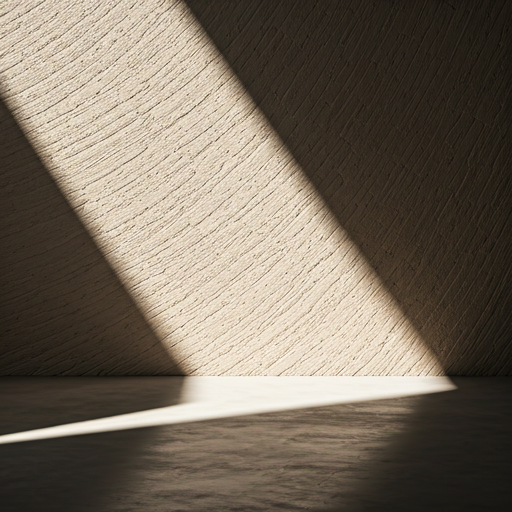
Modernism in this context is rarely cold. Instead, it is warmed by the sun and textured by the breeze. It is a minimalism that invites touch and demands presence.


Elena is an architectural critic and photographer based between Madrid and Athens. Her work explores the intersection of heritage preservation and radical contemporary design.


